Cryptocurrencies are causing measurable disruptions in the finance world. The speculative nature of many of these currencies casts doubts on their economic value and their role in improving the prosperity of the lives of human beings.
But the underlying technology, the blockchain technology and the cryptographic techniques, are obviously of immense potential. The question, however, is how to apply these technologies productively. One such application is in the area of Islamic capital markets instruments, particularly Sukuk.
Sukuk are commonly defined as “Islamic bonds”, which is unfortunate. Sukuk, as characterized by AAOIFI standards and many other authentic sources, include both fixed and variable income modes of finance, and thus they cover both risk-sharing and debt-based structures.

Regardless of the underlying structure of the Sukuk, “crypto Sukuk” could be of value to Islamic financial institutions and issuers of both the public and private sectors. To be clear, crypto Sukuk have two essential properties:
- They are a digital “tokenized” representation of Sukuk certificates and the underlying contracts.
- They are issued and distributed or traded through blockchain-based platforms.
Crypto Sukuk are a form of crypto assets, for which there is a wide variety of exchange platforms [1]. Regulation of crypto assets is evolving and yet to reach global consensus. However, the standard disclosure requirements can be easily met through blockchain technology.
Crypto Sukuk will offer a more reliable, transparent, and verifiable mechanism for the issuance and exchange of Sukuk. Studies show that the cost of issuing tokenized Sukuk will be substantially lower [2]. Additional potential benefits of crypto Sukuk include:
- Crypto assets can be reliably and authentically issued to the masses. Retail Sukuk are already mainstream, and crypto Sukuk seem to be the natural next step in their evolution. This means that the issuer will be able to reach out to new and diversified segments of investors across the globe.
- The issuance of crypto Sukuk should save the issuers the costs of the “middlemen” and agents that intermediate the process of issuance. The trend of “disintermediation” started more than half a century ago with the advancement of financial technologies. Today, with Fintech reaching new highs, a new wave of disintermediation is in the making. Issuers, whether in the private sector or the government, can reach out directly to investors, with better means of monitoring and auditing.
- Blockchain technology will offer additional features not possible in existing structures. For example, embedding cooperative insurance into risk-sharing Sukuk will offer in-built hedging mechanisms at lower costs and without piling up debt on the issuer.
- More important, risk-sharing crypto Sukuk will allow investors to monitor the performance of the issuer and ensure that the funds are properly invested as promised in the Sukuk prospectus. This will discipline the issuers to utilize the funds carefully and wisely, particularly if the Sukuk blockchain is linked to the issuer’s ERP system so that investors can verify the authenticity of the financial statements of the issuer.
- This discipline mechanism will be more instrumental to protect the rights of investors than conventional protection mechanisms, mainly through structuring Sukuk as debt obligations on issuers. Such obligations are not only complex and tend to be problematic from Shari’ah point of view, but they also tend to hide the ways the Sukuk proceeds are utilized, leading to the well-known problem of moral hazard. Moreover, excessive corporate debt increases systemic risks and wealth concentration that endanger the stability of markets.
- Probably the most cited shortcoming of crypto assets is the volatility of the prices of such assets. The advantage of blockchain technology is that an internal mechanism can be designed to mitigate such volatilities along the lines of cooperative insurance mentioned above.
There is no free lunch, as economists emphasize, and the transition to crypto Sukuk will involve costs. However, the benefits in terms of diversity, stability, and performance, seem to overweigh the costs by a reasonable margin.
[1] Wilfred Daye et al. (2020) Understanding the Cryptoasset Market, www.quantifisolutions.com.
[2] Nida Khan et al. (2020) “Tokenization of Sukuk: Ethereum case study,” Global Finance Journal, https://doi.org/10.1016/j.gfj.2020.100539.
-
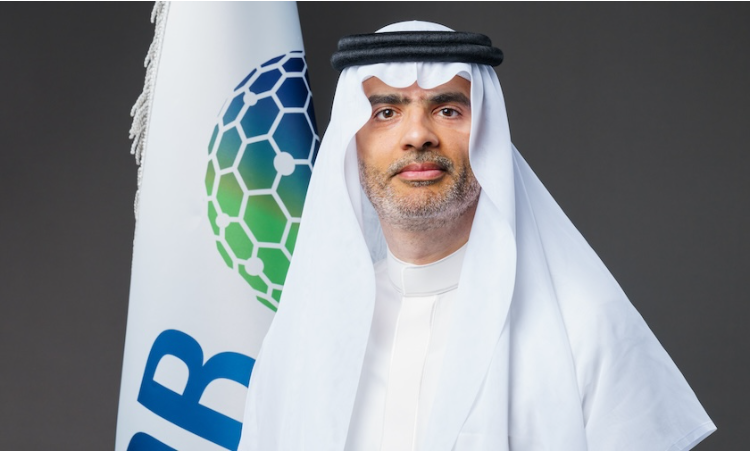
Dr. Al-Suwailem is currently the Acting Director General of the Islamic Development Bank Institute (IsDBI). Before joining IsDBI in 2004, Dr. Al-Suwailem managed the Research and Development Center at Al-Rajhi Bank, Riyadh, Saudi Arabia. He worked at the Institute of Islamic and Arabic Sciences in America, Virginia; Southern Illinois University, Carbondale, Illinois, USA; and King Saud University, Riyadh, Saudi Arabia. He obtained his M.A. from Southern Illinois University in 1990, and his Ph.D. from Washington University, St. Louis, Missouri, in 1995. He authored many books and papers on Islamic economics and finance. Sami can be reached via sami@isdb.org.
يعمل حالياً المدير العام بالإنابة للمعهد الإسلامي للبحوث والتدريب بمجموعة البنك الإسلامي للتنمية، جدة.
قبل انضمامه إلى المعهد عام 2004م عمل مديراً لمركز البحث والتطوير بمصرف الراجحي بالرياض. كما عمل في معهد العلوم الإسلامية والعربية في أمريكا، ڤرجينيا، وجامعة جنوب إلينوي، كاربونديل، الولايات المتحدة، وجامعة الملك سعود بالرياض.
شغل عضوية عدد من اللجان المتخصصة، منها اللجنة الفنية لمجلس الخدمات المالية الإسلامية، ومجموعة عمل المالية الإسلامية والاستقرار المالي العالمي، واللجنة الاقتصادية للأوقاف بوزارة الشؤون الإسلامية، واللجنة العلمية للمجمع الفقهي الإسلامي، ولجنة المعايير الشرعية لهيئة المحاسبة والمراجعة للمؤسسات المالية الإسلامية، وغيرها.
حصل على الماجستير من جامعة جنوب إلينوي، كاربونديل، بالولايات المتحدة في 1990م، ثم حصل على درجة الدكتوراه في الاقتصاد من جامعة واشنطن، سانت لويس، بالولايات المتحدة في عام 1995م. نشر عدداً من الكتب والأبحاث والمقالات في مجال الاقتصاد والتمويل الإسلامي.